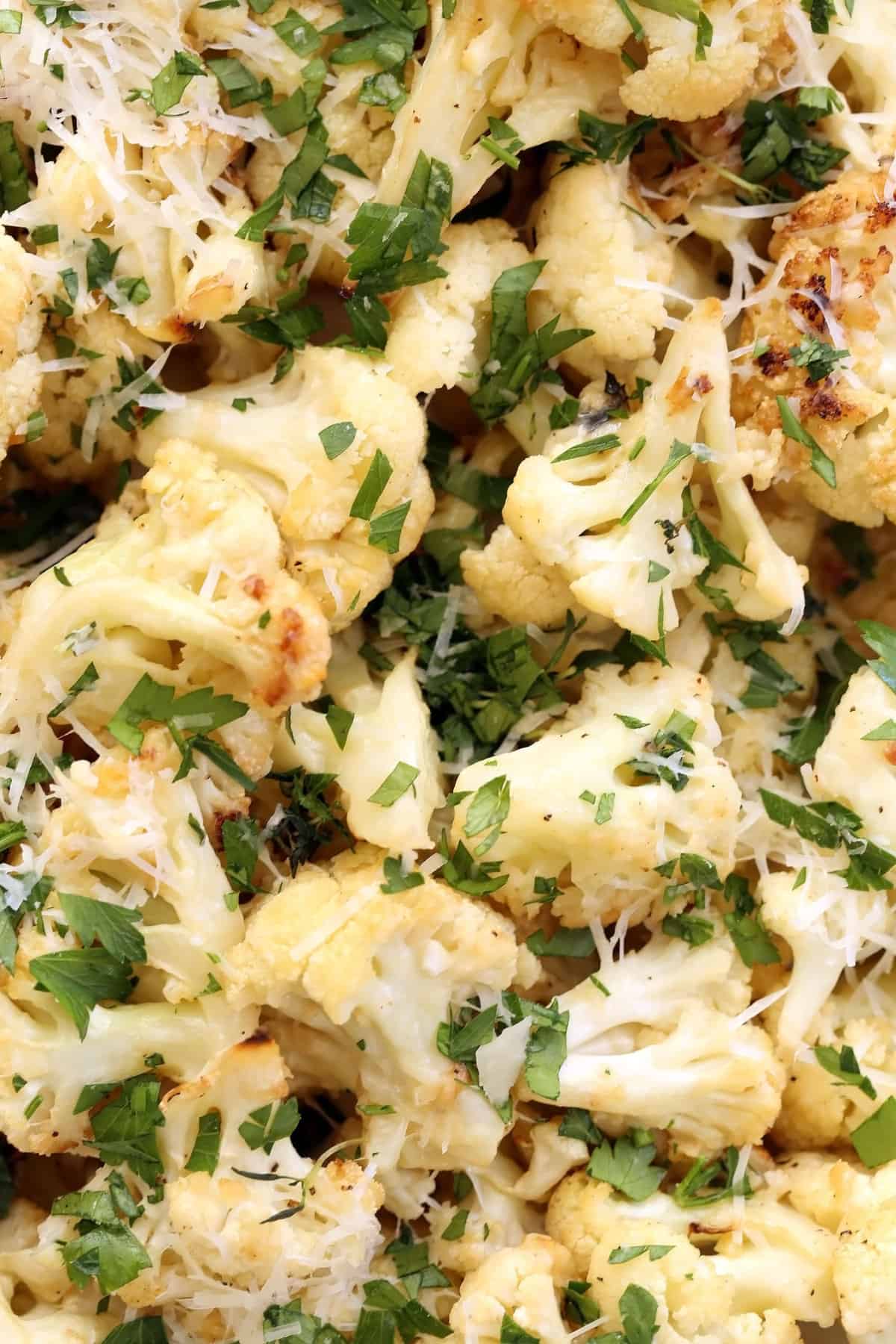
Beyond the Basics: Elevating Your Parmesan Roasted Cauliflower Garlic Thyme Experience
There are some dishes that, despite their simplicity, manage to captivate our taste buds with a symphony of flavors and textures. One such culinary gem is parmesan roasted cauliflower garlic thyme. This isn't just a side dish; it's a statement of how humble vegetables, when given the right treatment, can transform into something truly extraordinary. Moving beyond a mere recipe, we delve into the nuances that elevate this dish from simply good to absolutely unforgettable. It’s about understanding the synergy between the earthy cauliflower, the pungent warmth of garlic, the aromatic freshness of thyme, and the nutty, salty kick of parmesan.
The beauty of parmesan roasted cauliflower garlic thyme - Article 1 lies in its ability to be both incredibly healthy and intensely satisfying. Cauliflower, a cruciferous powerhouse, provides a mild canvas that eagerly absorbs the vibrant flavors it’s paired with. When roasted, its natural sugars caramelize, offering a subtle sweetness that balances the savory notes of garlic and cheese. Fresh thyme, with its delicate, woody fragrance, adds an herbaceous depth that elevates the entire dish, preventing it from being one-dimensional. Choosing fresh, high-quality ingredients is paramount here. Look for firm, white cauliflower heads without any dark spots, fragrant garlic cloves, and vibrant green thyme sprigs. A good quality parmesan, preferably freshly grated, will melt beautifully and form a delightful crust, sealing in all those amazing flavors.
The Art of Ingredient Selection and Preparation
- Cauliflower: Select a dense, firm head with tightly packed florets. Avoid any with brown spots or a strong sulfurous smell. For even cooking, cut florets into roughly uniform sizes, about 1 to 1.5 inches. This ensures every piece gets perfectly tender and beautifully browned.
- Garlic: Fresh garlic is non-negotiable. Minced garlic offers a more intense flavor distribution, while thinly sliced garlic can provide bursts of roasted goodness. Adjust the quantity to your preference – a generous amount often works best here.
- Thyme: Fresh thyme is superior to dried for this recipe. Its subtle, lemony, peppery notes really come alive during roasting. Strip the leaves from the woody stems; a little stem is fine, but large woody pieces can be unpleasant.
- Parmesan: Opt for real Parmigiano-Reggiano and grate it yourself. Pre-grated cheeses often contain anti-caking agents that can hinder optimal melting and crisping. The robust, salty, umami-rich flavor of fresh parmesan is key to this dish's success.
- Olive Oil: A good quality extra virgin olive oil binds the flavors together and helps achieve that desired crispy exterior. Don't skimp, but also don't drown the cauliflower; it should be lightly coated.
The Science of Sizzle: Why Roasting Transforms Cauliflower
Roasting is more than just cooking; it's a magical transformation. When cauliflower is subjected to high heat in the oven, a series of chemical reactions occur that dramatically enhance its flavor, texture, and aroma. This process is largely due to two key phenomena: the Maillard reaction and caramelization.
Understanding the Maillard Reaction and Caramelization
The Maillard reaction is a complex chemical process responsible for the browning and development of savory flavors in many foods, including roasted vegetables. It occurs when amino acids and reducing sugars react at high temperatures, creating hundreds of new flavor compounds. This is why roasted cauliflower tastes so much richer and more complex than steamed or boiled cauliflower.
Simultaneously, the natural sugars present in the cauliflower undergo caramelization. This process involves the oxidation of sugars, resulting in a sweet, nutty, and slightly bitter flavor, alongside a desirable golden-brown color. Together, these reactions create a cauliflower floret that is tender on the inside, with deliciously crispy, browned edges that burst with concentrated, savory-sweet flavor.
Nutritional Benefits and Digestibility
Beyond the incredible taste, roasting also offers nutritional advantages. Cauliflower is a nutritional powerhouse, packed with vitamin C, vitamin K, folate, and an impressive array of antioxidants and fiber. Roasting, particularly at moderate temperatures, helps to preserve many of these heat-sensitive nutrients better than boiling, which can leach water-soluble vitamins. Furthermore, for some individuals, the roasting process can make cruciferous vegetables like cauliflower easier to digest, as the heat helps to break down some of the complex carbohydrates.
Mastering the Method: Step-by-Step for Perfect Parmesan Roasted Cauliflower Garlic Thyme
Achieving perfectly tender-crisp parmesan roasted cauliflower garlic thyme requires a few key steps and attention to detail. Follow this guide for a consistently delicious outcome every time.
Ingredients:
- 1 large head cauliflower (about 2 lbs), cut into 1 to 1.5-inch florets
- 3-4 cloves garlic, minced or thinly sliced
- 2 tablespoons fresh thyme leaves, stripped from stems
- 3 tablespoons extra virgin olive oil
- ½ teaspoon sea salt, or to taste
- ¼ teaspoon black pepper, freshly ground, or to taste
- ½ cup freshly grated Parmesan cheese (plus extra for serving, if desired)
Instructions:
- Preheat Your Oven: Adjust an oven rack to the middle position and preheat your oven to 400°F (200°C). This high temperature is crucial for achieving crispy edges.
- Prepare the Cauliflower: Wash the cauliflower florets thoroughly and pat them completely dry with a kitchen towel or paper towels. Moisture is the enemy of crispiness, so this step is vital.
- Season the Cauliflower: In a large bowl, combine the dried cauliflower florets, minced garlic, fresh thyme leaves, olive oil, salt, and pepper. Toss well to ensure all the florets are evenly coated.
- Arrange on Baking Sheet: Spread the seasoned cauliflower in a single layer on a large baking sheet. Do not overcrowd the pan. If necessary, use two baking sheets to give the cauliflower enough space. Overcrowding will steam the cauliflower instead of roasting it, resulting in a soggy texture.
- Initial Roast: Roast for 20 minutes, then remove the baking sheet from the oven.
- Add Parmesan: Sprinkle the grated Parmesan cheese evenly over the cauliflower florets.
- Final Roast: Return to the oven and continue roasting for another 10-15 minutes, or until the cauliflower is tender when pierced with a fork, golden brown, and the parmesan is melted and lightly crispy.
- Serve Immediately: Transfer the roasted cauliflower to a serving dish. Taste and adjust seasoning if needed. Serve hot and enjoy!
Pro Tips for Perfection:
- Dry Cauliflower is Key: As mentioned, patting the cauliflower completely dry prevents steaming.
- Even Florets: Uniformly sized florets cook at the same rate.
- Single Layer Roasting: Gives each piece direct contact with the hot air and the baking sheet, promoting browning.
- Don't Skimp on Oil: Enough oil ensures good heat transfer and crispiness.
- Freshly Grated Parmesan: Melts better and tastes superior. Add it towards the end to prevent it from burning while still allowing it to crisp up beautifully.
Pairing Perfection: What to Serve with Parmesan Roasted Cauliflower Garlic Thyme
This versatile dish isn't just a standout on its own; it's also an exceptional accompaniment to a wide array of main courses. Its savory, garlicky, and cheesy profile makes it a fantastic partner to both robust meats and lighter protein options.
Main Course Companions:
- Roasted Chicken or Turkey: The rich flavors of roasted poultry are beautifully complemented by the earthy, savory cauliflower. The herbaceous notes of thyme bridge the gap between the two.
- Grilled Fish or Salmon: For a lighter, healthier meal, serve alongside a flaky piece of grilled salmon or a delicate white fish. A squeeze of fresh lemon over both dishes brings out their best qualities.
- Steak or Lamb Chops: The robust flavors of red meat stand up well to the intense taste of the parmesan roasted cauliflower. It offers a wonderful textural contrast to a perfectly seared steak.
- Pasta Dishes: Stir it into a simple olive oil and garlic pasta, or serve it alongside a creamy alfredo or a hearty marinara for added vegetable goodness and flavor.
- Vegetarian Options: It can serve as a substantial main course for vegetarians when paired with a hearty grain like quinoa or farro, or nestled into a warm pita with a dollop of hummus.
Elevating the Experience:
Consider finishing your plate with a drizzle of balsamic glaze for a touch of sweet tang, or a sprinkle of fresh parsley for a burst of color and herbaceousness. A side of lemon aioli or a creamy Greek yogurt dip can also provide a delightful counterpoint to the roasted flavors. No matter what you choose to serve it with, parmesan roasted cauliflower garlic thyme is sure to be a crowd-pleaser.
Variations on a Theme: Customizing Your Roasted Creation
While the classic parmesan roasted cauliflower garlic thyme is a masterpiece in its own right, its adaptability is one of its greatest strengths. Don't be afraid to experiment with different seasonings, herbs, and cheeses to create your own signature version. If you're eager to explore even more innovative twists and gourmet additions to this delightful dish, be sure to read parmesan roasted cauliflower garlic thyme - Article 3.
Spice It Up:
- Smoked Paprika: Adds a beautiful color and a smoky depth that pairs wonderfully with the cauliflower.
- Red Pepper Flakes: For those who enjoy a little heat, a pinch of red pepper flakes adds a subtle kick.
- Cumin or Coriander: A touch of ground cumin or coriander can introduce an earthy, exotic note.
- Onion Powder or Garlic Powder: While fresh is best, a dash of these can amplify the savory base.
Herb Alternatives:
- Rosemary: Hearty and piney, rosemary offers a different aromatic profile that complements roasted vegetables beautifully.
- Oregano: A more Mediterranean twist, oregano brings a robust, slightly bitter note.
- Parsley: Freshly chopped parsley added after roasting provides a burst of freshness and color.
- Sage: Earthy and slightly peppery, sage can add a unique savory dimension.
Cheese Choices:
- Pecorino Romano: For a sharper, saltier, and more pungent flavor profile, swap out parmesan for Pecorino Romano.
- Asiago: Offers a nutty, slightly sweet taste that mellows beautifully when roasted.
- Nutritional Yeast: For a dairy-free or vegan option, nutritional yeast can provide a cheesy, umami flavor.
- Gruyère: Melts wonderfully and offers a complex, nutty, and slightly sweet flavor.
Add-Ins and Finishing Touches:
- Lemon Zest: A grating of fresh lemon zest after roasting brightens the entire dish.
- Toasted Nuts: A sprinkle of toasted pine nuts or slivered almonds adds extra crunch and healthy fats.
- Crispy Pancetta or Bacon Bits: For a decadent twist, sprinkle some cooked, crumbled pancetta or bacon over the finished dish.
- Other Vegetables: Roast alongside other sturdy vegetables like broccoli florets, carrot chunks, or bell pepper strips for a colorful medley.
Conclusion
From a humble head of cauliflower to a gourmet side dish, parmesan roasted cauliflower garlic thyme stands as a testament to the power of simple, fresh ingredients transformed by the magic of the oven. It's a dish that’s easy enough for a weeknight meal, yet elegant enough to grace any dinner party table. With its irresistible blend of tender florets, crispy edges, aromatic garlic and thyme, and savory parmesan, it offers a delightful symphony of flavors and textures that satisfies both the palate and the soul. Embrace the art of roasting, experiment with variations, and discover why this delectable vegetable preparation is quickly becoming a beloved staple in kitchens everywhere.
